Tree Pruning
Structural Pruning for Healthier, Stronger Trees
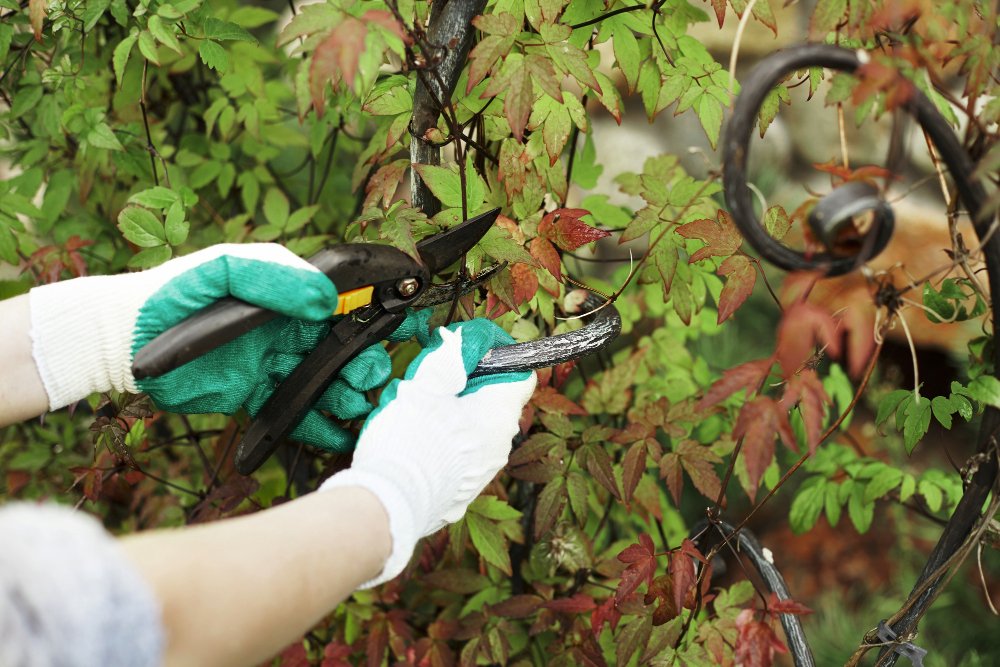
Tree pruning is a very different service from tree trimming, even though people often use the terms interchangeably. Trimming usually focuses on clearance and appearance — clearing limbs away from a roof, shaping an overgrown canopy, or opening up a view. Pruning, on the other hand, focuses on the tree itself. It’s about structure, health, and long-term resilience.
In Southwest Florida, proper pruning matters more than most homeowners realize. Trees here grow continuously without a dormant season. As a result, structural problems develop faster, weak branch unions become more dangerous each year, and the difference between a properly pruned tree and an overgrown one shows up dramatically during hurricane season.
Arrow Landscaping & Designs provides tree pruning for residential and commercial properties throughout Fort Myers, Naples, and the surrounding communities. We follow industry standards, assess each tree individually, and make cuts that improve the tree rather than just reshape it.
How Pruning Differs From Trimming
Both services involve cutting branches. However, they have different goals and require different approaches.
Trimming typically addresses clearance and shape. It removes branches that interfere with structures, walkways, or views. It’s mostly about how the tree relates to its surroundings.
Pruning addresses the tree’s internal structure and health. It removes weak limbs, corrects bad branch angles, eliminates crossing branches, and reduces the risk of failure. It’s about how the tree will hold up over the next decade.
Because pruning requires an understanding of how trees respond to cuts, it takes more skill than trimming. Done wrong, pruning can permanently weaken a tree. Done right, it can add years to its life.
When Trees Need Pruning
Pruning is not a service that every tree needs every year. It’s targeted work that solves specific problems. Here’s when pruning is appropriate:
-
Weak branch unions — Branches with narrow angles or included bark that could split
-
Crossing or rubbing branches — Two branches growing into each other, creating wounds
-
Dead, dying, or diseased limbs — Branches that should come out before they fall
-
Water sprouts and suckers — Fast-growing vertical shoots that drain energy
-
Storm damage — Broken or cracked limbs that need proper removal
-
Structural imbalance — A tree that’s leaning or has more weight on one side
-
Clearance from structures — When branches have grown into buildings, fences, or utilities
-
Restoration after over-trimming — Corrective work when a tree has been improperly cut in the past
If you’re not sure whether pruning is the right call, we can assess the tree and give you an honest recommendation.
Why Pruning Matters in Southwest Florida
The climate here creates specific pruning needs that don’t exist in cooler parts of the country.
Year-round growth means structural defects develop continuously. A weak branch union that might take ten years to become dangerous in Ohio can become a hazard in three or four years here.
Hurricane season tests every tree on your property. Properly pruned trees handle wind far better than overgrown or structurally compromised ones.
Species-specific challenges matter. Live oaks, laurel oaks, and other common Southwest Florida species develop different structural issues than trees in cooler climates. Knowing how each species grows is part of pruning them correctly.
Common pruning mistakes we see on Southwest Florida properties include:
-
Topping — Cutting the tree back to stubs, which forces weak regrowth
-
Lion-tailing — Removing too many interior branches, leaving weight concentrated at the ends
-
Over-thinning — Removing so many branches that the tree can’t produce enough food
-
Stub cuts — Cutting too far from the branch collar, which prevents proper healing
Each of these practices harms the tree and often creates worse problems than the ones they were meant to solve.
Our Pruning Process
Every tree is different, so every pruning job is approached individually. Here’s how we work.
1. Assessment
We inspect the tree for species, overall health, structure, and any specific defects. Additionally, we check how the tree interacts with its surroundings — structures, utilities, other trees, and people.
2. Pruning Plan
Based on the assessment, we determine which cuts to make and why. This isn’t random branch removal. Every cut should serve a purpose: improving structure, removing a hazard, or correcting a problem.
3. The Work
We use hand tools and pole saws for most cuts. For larger limbs, we may use chainsaws, always with proper technique. We make cuts at the branch collar to promote healing, and we avoid the practices that damage trees.
4. Cleanup
We chip the brush, haul away the debris, and rake the work area clean. Your property is left as it was — minus the problematic branches.
Common Pruning Techniques
Different situations require different pruning approaches. Here are the ones we use most often.
Crown cleaning removes dead, dying, diseased, or broken branches. It’s a baseline service that improves safety and appearance.
Crown thinning selectively removes branches to reduce density and improve light and air movement. Thinning must be done carefully — over-thinning is harmful.
Crown raising removes lower branches to provide clearance over roofs, driveways, or walkways.
Crown reduction reduces the height or spread of a tree. Done correctly, it can manage size without the harm of topping. Done incorrectly, it causes severe damage.
Structural pruning focuses on long-term tree architecture, especially in younger trees. It shapes the tree’s future by removing problematic branches before they become permanent.
What Affects the Cost of Tree Pruning
Pruning costs vary based on several factors:
-
Tree size and height — Taller trees require more time and equipment
-
Complexity of the work — Structural pruning takes longer than simple clearance cutting
-
Access — Trees in tight spaces or behind fences are harder to reach
-
Proximity to structures or power lines — Extra precautions add complexity
-
Number of trees — Multiple trees on the same property often reduce per-tree cost
-
Debris volume — More branches mean more cleanup
We provide a clear estimate before work begins so there are no surprises.
Residential Tree Pruning
Homeowners call us for pruning when they want to protect the long-term health and safety of their trees. Common reasons:
-
A large oak with a split trunk that needs structural work
-
A tree with dead limbs that keep dropping
-
Storm-damaged branches that need proper removal
-
Young trees that need early structural training
-
Trees that were previously over-trimmed and need corrective work
We work carefully around landscaping, irrigation, and hardscaping so the rest of your property stays untouched.
Commercial Tree Pruning
For commercial properties, pruning is part of managing risk and maintaining a safe, professional appearance. Whether you manage an HOA, an apartment complex, a retail center, or an office park, keeping trees properly pruned is essential.
How we help commercial clients:
-
Structural pruning programs — Scheduled pruning to maintain tree health and safety
-
Hazard mitigation — Removing weak limbs before they become a liability
-
Storm preparation — Pruning before hurricane season to reduce damage risk
-
Storm recovery — Corrective pruning after storm damage
-
HOA and common area maintenance — Keeping shared trees safe and well-maintained
We coordinate with your schedule to minimize disruption to tenants, customers, or staff.
Frequently Asked Questions About Tree Pruning
What's the difference between tree pruning and tree trimming?
Pruning focuses on the tree’s internal structure and health, while trimming focuses on clearance and appearance. Both involve cutting branches, but they have different goals and require different techniques.
How often should trees be pruned?
It depends on the tree. Young trees may benefit from structural pruning every 2-3 years. Mature trees often need pruning every 3-5 years unless a specific issue arises.
Is it bad to remove a lot of branches at once?
Yes. Removing more than about 25% of a tree’s canopy at one time can stress it significantly. Proper pruning is done gradually over multiple seasons when major work is needed.
What is topping and why is it bad?
Topping means cutting branches back to stubs. It forces the tree to produce weak, poorly attached regrowth, shortens its lifespan, and often creates worse problems than the ones it was meant to solve. We never top trees.
Can pruning save a damaged tree?
Sometimes. If the damage is limited and the tree is otherwise healthy, corrective pruning can restore structure and extend its life. In other cases, removal is the safer option. We’ll tell you honestly which applies to your tree.
How much does tree pruning cost?
Cost depends on tree size, complexity, access, and the amount of work required. We provide a clear estimate before work begins. Contact us to discuss your trees.