Tree Trimming
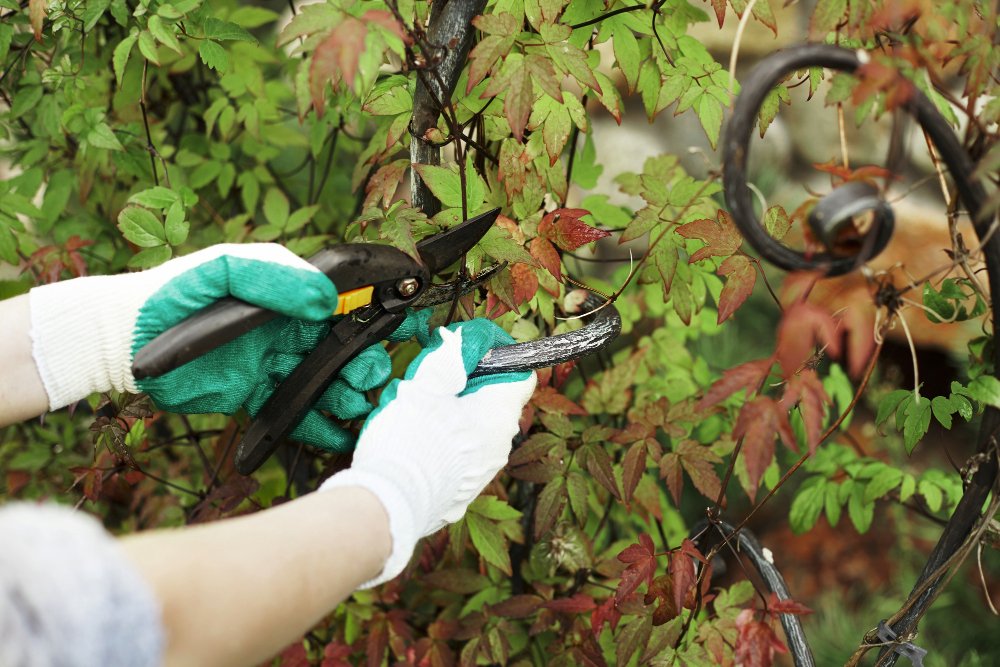
Proper Pruning for Healthier, Safer Trees
Tree trimming seems straightforward until something goes wrong. A tree that someone cuts incorrectly can develop weak growth, become vulnerable to disease, or end up more likely to fail in a storm than it was before. In Southwest Florida, where trees grow year-round and hurricanes test every limb, the difference between proper pruning and a quick “haircut” matters more than most homeowners realize.
Arrow Landscaping & Designs provides professional tree trimming for residential and commercial properties throughout Fort Myers, Naples, and the surrounding communities. We follow industry pruning standards, assess each tree individually, and make cuts that support long-term tree health rather than just short-term appearance.
Why Tree Trimming Matters in Southwest Florida
Trees in this part of Florida don’t get a break. The growing season never really stops, so trees that aren’t maintained properly develop structural problems faster than in cooler climates. Meanwhile, the weight of heavy summer rain on foliage, the stress of hurricane season, and the year-round humidity that encourages fungal growth all add pressure. As a result, proper pruning becomes essential — not optional.
Here’s what regular, professional trimming does for your trees:
-
Improves structure — Removes weak or competing limbs before they become hazards
-
Reduces storm risk — A properly pruned tree handles wind better than an overgrown one
-
Supports health — Removes dead, diseased, or infested branches before problems spread
-
Improves appearance — Shapes the tree and keeps it from overwhelming your landscape
-
Allows light through — Thinning the canopy lets sunlight reach the lawn and understory plants
-
Protects your property — Keeps branches clear of your roof, driveway, and power lines
If it’s been more than a year since your trees were trimmed, it’s worth having them assessed.
The Truth About “Hurricane Trimming”
Every hurricane season, Southwest Florida homeowners hear the same advice: “Get your trees hurricane trimmed.” However, what many companies call hurricane trimming is actually harmful — and in some cases, it makes trees more dangerous.
The practice often called “hurricane cutting” or “hat-racking” involves cutting branches back to stubs without regard for where the tree will regrow. This forces the tree to produce a flush of weak, fast-growing shoots. Those shoots are poorly attached to the parent branch. Consequently, when the next storm comes, they break off more easily than the original limbs would have.
Proper pruning for storm resilience works differently. It focuses on:
-
Removing dead, dying, or broken branches — These are the limbs most likely to fail in high winds
-
Reducing weight at the ends of long limbs — Reduces leverage against the trunk
-
Thinning the canopy selectively — Lets wind pass through instead of catching it
-
Correcting structural defects — Addresses weak branch unions before they fail
If a tree service offers to “hurricane trim” your trees by cutting them back severely, that’s a red flag. Proper pruning follows standards set by the International Society of Arboriculture and the American National Standards Institute.
Tree Trimming vs. Palm Tree Trimming
Palms and shade trees need different approaches. Moreover, it’s important not to treat them the same way.
Shade Tree Trimming
For oaks, pines, and other broadleaf trees, trimming focuses on structure and clearance. We remove dead wood, thin the canopy selectively, raise low branches, and address any weak unions or included bark that could lead to failure.
Palm Tree Trimming
Palms are not trees in the traditional sense. They have a single growing point at the top of the trunk, and removing the wrong fronds can harm or even kill the palm. Research from the University of Florida shows that over-pruning palms — often done in the name of hurricane preparation — actually weakens them and makes them more vulnerable to wind damage and disease.
Proper palm trimming removes only:
-
Completely dead or brown fronds
-
Flower stalks and fruit clusters (if they create a mess or safety issue)
-
Fronds that have broken or are hanging loosely
We never trim palms into a “feather duster” shape. Healthy palms should retain enough fronds to support photosynthesis and protect the growing point. For properties with multiple palms, our palm tree trimming service handles the whole job.
Our Tree Trimming Process
Every tree is different, so every trimming job is approached individually. Here’s what you can generally expect.
1. Tree Assessment
We inspect the tree for its species, overall health, structural condition, and any specific hazards. We also look at the surrounding area — what’s beneath the tree, how close it is to structures, and whether power lines are involved.
2. Trimming Plan
Based on the assessment, we determine the appropriate pruning approach. That might include:
-
Crown cleaning — Removing dead, dying, or broken branches
-
Crown thinning — Selectively removing branches to improve light and air movement
-
Crown raising — Removing lower branches for clearance
-
Crown reduction — Reducing the height or spread of the tree (used sparingly and correctly)
3. The Trimming Work
Our crew makes cuts according to industry standards, using the proper tools for each branch size. We avoid practices that damage trees, such as topping or stub cuts.
4. Cleanup
We chip the brush, haul away the debris, and rake the work area clean. Your property is left in the same condition it was before we arrived — minus the overgrowth.
What Affects the Cost of Tree Trimming
Tree trimming costs vary based on several factors:
-
Tree size and height — Taller trees require more time and equipment
-
Canopy density — A thick, overgrown canopy takes longer to thin than one that’s been maintained
-
Access — Trees in backyards or behind fences are harder to reach than those near the street
-
Proximity to structures or power lines — Extra precautions add time and complexity
-
Number of trees — Multiple trees on the same property are often more cost-effective per tree
-
Debris removal — Hauling away brush and wood is part of the job, but larger volumes take longer
We provide a clear estimate before work begins so there are no surprises.
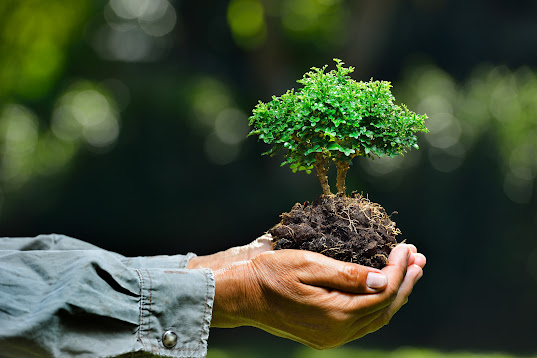
Residential Tree Trimming in Fort Myers & Naples
For homeowners, regular trimming keeps trees healthy and prevents them from becoming a problem. Common reasons homeowners call us:
-
Trees that have grown over the roof or driveway
-
Limbs hanging low over the lawn or walkway
-
Palms with dead fronds that need to come down
-
Storm-damaged branches that need to be removed
-
Overgrown trees that block sunlight or views
-
Preparation for hurricane season
We work carefully around landscaping, irrigation systems, and hardscaping so the rest of your property stays untouched.
Commercial Tree Trimming in Fort Myers & Naples
Commercial properties have different needs and different timelines. Whether you manage a retail center, an HOA, an apartment complex, or a business campus, keeping trees maintained is part of protecting your property and the people on it.
How we help commercial clients:
-
Routine maintenance — Scheduled trimming to keep trees healthy and safe
-
Storm preparation — Pruning before hurricane season to reduce risk
-
Storm cleanup — Removing damaged limbs after a storm
-
Clearance trimming — Keeping branches away from buildings, signs, and parking areas
-
HOA and common areas — Maintaining shared landscaping to a consistent standard
We coordinate with your schedule to minimize disruption to tenants, customers, or staff.
Serving Fort Myers, Naples & Surrounding Communities
Arrow Landscaping & Designs provides tree trimming throughout Southwest Florida.
Related services include tree removal, palm tree trimming, and stump grinding.
Frequently Asked Questions About Tree Trimming
How often should trees be trimmed in Southwest Florida?
Most trees benefit from trimming every 1-3 years, depending on species, growth rate, and location. Palms typically need trimming once a year.
What's the difference between trimming and pruning?
The terms are often used interchangeably. Technically, pruning is the selective removal of branches for health or structure, while trimming can refer to shaping or clearance work. Both require the same care and expertise.
Is "hurricane trimming" a good idea?
Not in the way it’s often practiced. Severe cutting back — sometimes called hat-racking — actually weakens trees and makes them more likely to fail in storms. Proper structural pruning is the better approach.
Can I trim my own trees?
For small branches you can reach from the ground with hand tools, yes. For anything requiring a ladder, climbing, or working near power lines, professional help is the safer choice.
How much does tree trimming cost?
Cost depends on tree size, access, canopy density, and the number of trees. We provide a clear estimate before work begins. Contact us to discuss your trees.
Do you trim palm trees?
Yes. We trim palms properly, removing only dead fronds and flower or fruit stalks. We never over-prune palms.