Landscape Renovation

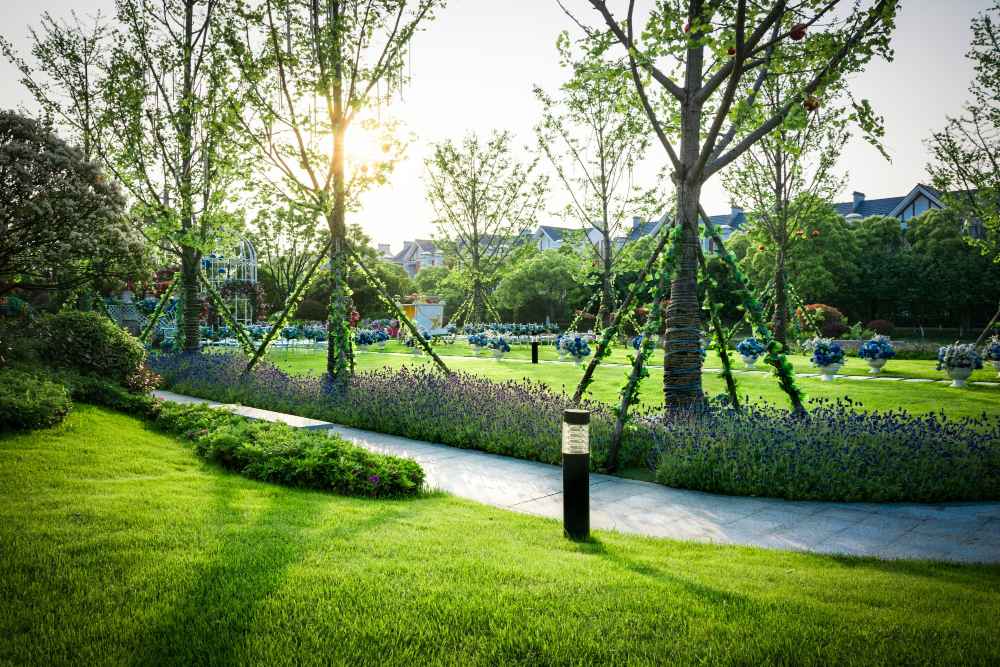
Restoring Landscapes That Have Lost Their Edge
Most landscapes don’t fail overnight. They decline gradually — a plant here that never thrives, a bed there that loses its shape, an irrigation zone that stops working, or a tree that grows into a space it wasn’t designed for. Over the years, the original plan drifts further from what’s actually on the ground. Eventually, the landscape reaches a point where it either needs to be replaced entirely or strategically restored.
Arrow Landscaping & Designs provides landscape renovation for residential and commercial properties throughout Fort Myers, Naples, and the surrounding communities. We assess what’s working, identify what’s not, and rebuild the landscape around a plan that fits the property’s current needs. Sometimes that means replacing everything. More often, it means keeping the best parts and fixing the rest.
Signs Your Landscape Needs a Renovation
Not every landscape problem requires a full renovation. However, some patterns signal that a renovation is overdue.
Overgrown plantings. Shrubs and trees have grown into walkways, blocked windows, or crowded each other. When plants start competing for space, they thin out, lose their form, and become prone to disease.
Bare or compacted beds. Soil has become hard, depleted, or covered in weeds. If beds no longer hold mulch or drain properly, the underlying soil is likely the problem.
Failing turf. Lawns are patchy, weedy, or thinning despite regular watering. Often the issue is deeper than the grass itself — soil, irrigation, or shade problems that turf alone can’t solve.
Outdated irrigation. Systems waste water, miss zones, or have broken heads that no one repairs. Older systems also tend to lack the efficiency of modern designs.
Declining or dying trees. Trees have become hazards, outgrown their space, or suffered storm damage that wasn’t properly addressed.
Outdated design choices. Landscape styles change. A landscape designed twenty years ago may include plant species that are now considered invasive, high-water-use, or simply out of fashion.
Dead or missing plants. Empty gaps where plants have died and were never replaced.
If you’re seeing multiple of these, a renovation is likely the right approach — even if the landscape isn’t yet a total loss.
Renovation vs. Full Replacement: Which Makes Sense?
One of the first questions in any landscape renovation is whether to restore the existing landscape or start over. There’s no single right answer, so the choice depends on the property.
Full replacement makes sense when:
-
The base soil is severely compromised and needs total replacement
-
Irrigation is failing beyond practical repair
-
The layout doesn’t work for how the property is actually used
-
Damage from storms, disease, or neglect is widespread
-
The owner wants a completely different style or function
Renovation makes sense when:
-
The overall layout still works
-
Some plants are healthy and worth keeping
-
Soil and drainage issues are localized rather than property-wide
-
Irrigation can be updated rather than replaced
-
The owner wants to phase improvements over time
Renovation typically costs less than full replacement, takes less time, and creates less disruption. It also preserves mature plants that might take years to replace.
What a Landscape Renovation Includes
Every renovation is different, but most follow a similar sequence.
1. Assessment
We start by walking the property and evaluating what’s there. What’s healthy? What’s failing? What’s outgrown its space? What’s diseased, damaged, or invasive? We also assess soil, drainage, irrigation, and how the existing layout functions.
2. Renovation Plan
Based on the assessment, we determine what stays and what goes. The plan also addresses the underlying issues — soil compaction, failed irrigation, poor drainage — that caused the decline in the first place.
3. Selective Removal
We remove the plant material that isn’t worth keeping. This can include overgrown shrubs, invasive plants, dead trees, and unhealthy turf. If there are plants worth saving, we protect them during the work.
4. Soil and Drainage Improvements
Compacted or depleted soil gets amended. Drainage issues get corrected. This step is often overlooked in landscape work, but it’s what makes the difference between a renovation that lasts and one that fails within a few years.
5. Irrigation Updates
We repair, replace, or update irrigation systems to match the renovated layout. Zones get re-grouped by water need. Older systems often get upgraded to more efficient components.
6. New Plantings
New plants go in — selected for the site’s actual conditions, not what was there before. Species selection matches sun exposure, soil, water availability, and long-term maintenance goals.
7. Mulch and Finishing
Fresh mulch, redefined bed lines, and cleanup complete the renovation.
What Makes a Landscape Renovation Different in Southwest Florida
The local climate and soil shape every renovation decision.
Year-round growing season. Plants here don’t stop growing. What was a small shrub five years ago is a mature hedge now. Because of this, spacing and species selection during renovation have to account for rapid growth.
Sandy soil. Much of the soil in this region is fine sand that drains quickly but holds nutrients poorly. Skipping soil amendment during renovation means new plantings will struggle.
Hurricane exposure. Every renovation has to consider wind resilience. Removing weak trees and re-positioning vulnerable plantings is part of the process.
Two seasons. The wet season and dry season both stress plants differently. Therefore, irrigation design during renovation has to account for both.
Florida-Friendly Landscaping™ principles. These University of Florida guidelines — right plant right place, water efficiency, appropriate fertilization — guide how we rebuild landscapes.
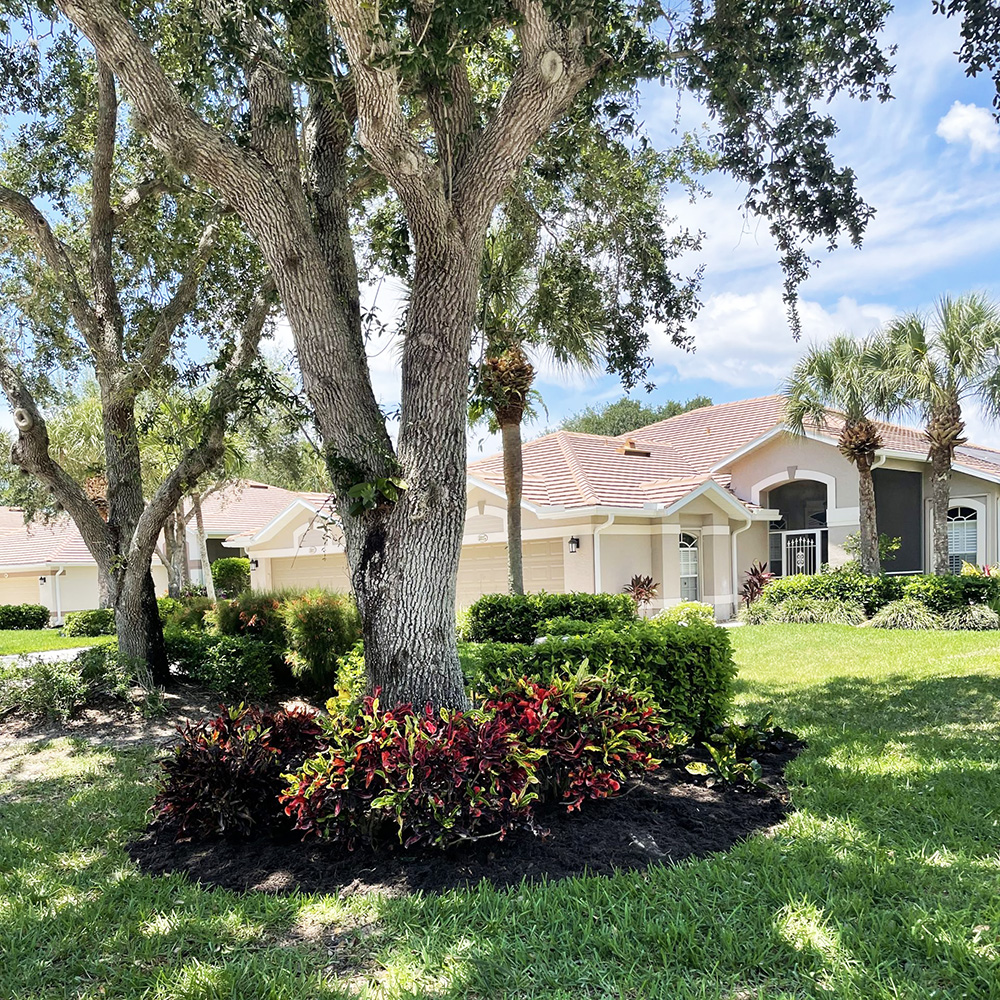
Residential Landscape Renovation
Homeowners renovate for a range of reasons:
-
The landscape has declined after years of neglect
-
A landscape from a previous owner doesn’t match the current style
-
Plantings have outgrown their space and blocked views or light
-
The lawn is failing and needs to be replaced with lower-maintenance options
-
Renovation is part of a larger home improvement project
-
Preparing for a sale
We work carefully around existing features — pools, patios, fences, and structures — so the renovation integrates with what’s already there.
Commercial Landscape Renovation
For commercial properties, renovation is often about maintaining consistent appearance and managing long-term costs. Properties that haven’t been updated in years show it — overgrown entryways, thinning turf, and inconsistent plantings across the site.
How we help commercial clients:
-
Full-property renovations — Bringing an outdated landscape up to current standards
-
Entry and frontage updates — Refreshing the areas that make the strongest impression
-
Irrigation efficiency upgrades — Reducing water use and maintenance costs
-
Phased renovations — Spreading work over multiple seasons or budget cycles
-
HOA and community property updates — Coordinating with boards and property managers on renovations that meet community standards
We coordinate with property managers and can phase work to minimize disruption to tenants and customers.
Frequently Asked Questions About Landscape Renovation
How is a landscape renovation different from a full landscape installation?
Renovation works with what’s already there — keeping healthy plants, updating irrigation, and correcting underlying issues. Installation starts from bare ground or after full removal. Renovation is usually faster, less expensive, and less disruptive.
Do I need a design before renovation can begin?
For small renovations, design may not be necessary. For larger projects where plant selection and layout matter, having a design ensures the renovated landscape works as a whole.
Can you keep some of my existing plants?
Yes. We keep healthy plants that fit the renovated layout. If they need to be moved, we can relocate them. Plants that don’t fit are removed.
How long does a landscape renovation take?
It depends on scope. A small renovation may take a few days. A larger renovation can take several weeks, especially if soil and drainage work is extensive.
Will you fix drainage issues during renovation?
Yes. Drainage is one of the underlying issues we address during renovation. If water is pooling or running toward the house, we correct it as part of the project.
Do you renovate landscapes on commercial properties?
Yes. We handle renovations for HOAs, apartment complexes, retail centers, and office parks. We can phase work to minimize disruption.