Sod Installation

Establishing Lawns That Thrive in Southwest Florida
Sod installation is one of those projects that seems simple on the surface. You lay grass, water it, and it grows, right? In Southwest Florida, the reality is more complicated. Sandy soil drains so fast that new sod can dry out before roots establish. The wrong variety will burn up in full sun or struggle in shade. Additionally, the wet season can drown a new lawn while the dry season can starve it.
Arrow Landscaping & Designs provides sod installation for residential and commercial properties throughout Fort Myers, Naples, and the surrounding communities. We prepare the site properly, match the sod variety to the conditions, and install it in a way that gives the new lawn the best chance to establish.
Signs You Need New Sod
Not every lawn problem requires sod installation. However, some situations make it the practical choice.
Widespread dead or dying turf. If large areas of grass are brown, dead, or have thinned to bare soil, sod is often faster and more reliable than trying to seed or revive existing turf.
Persistent disease or pest damage. Lawns that have been hit hard by chinch bugs, grubs, or fungal disease often don’t recover well. Consequently, replacing the affected areas with fresh sod resets the lawn.
Bare ground after construction. New construction, additions, or major landscape work often leave bare soil that needs to be covered before it erodes or turns to weeds.
Failing turf after storms or drought. Storm damage, salt intrusion, or extended drought can kill off turf that never comes back.
Soil problems that can’t be fixed by maintenance. If soil compaction, pH imbalance, or drainage issues are severe, sod installed after proper soil correction will perform far better than attempting to revive what’s there.
Full landscape renovation. When a landscape is being redone, sod installation often completes the project.
Soil Preparation: The Step Most People Skip
Sod is only as good as the soil it sits on. In Southwest Florida, that means preparing the ground before the sod goes down — not just scraping off the old grass and laying new turf.
Proper preparation includes:
-
Removing old vegetation — Dead turf, weeds, and their root systems
-
Correcting grading — So water drains away from structures
-
Breaking up compaction — Loosening soil so roots can grow down
-
Amending soil — Adding organic matter to sandy soil so it holds nutrients and moisture
-
Testing pH — Correcting imbalances before sod goes down
-
Leveling the surface — Ensuring a smooth, even base for the sod
Skipping these steps is the most common reason new lawns fail in the first year.
Sod Varieties That Perform in Southwest Florida
Not all sod is the same. The right variety depends on sun exposure, shade, traffic, and how much maintenance the property owner wants.
St. Augustine Grass. The most common lawn grass in Florida. It’s heat and salt-tolerant, which makes it a good choice for coastal properties. It performs well in partial shade but needs regular irrigation.
Bermuda Grass. Sun-loving and traffic-tolerant. It’s a good choice for full-sun lawns that get heavy use. It doesn’t perform well in shade.
Zoysia Grass. Slower growing than St. Augustine, which means less mowing. It’s drought-tolerant and handles foot traffic well. It’s also more shade-tolerant than Bermuda.
Bahia Grass. A low-maintenance option that performs well in sandy, acidic soil. It’s drought-tolerant and doesn’t need much fertilizer, but it isn’t as visually uniform as other varieties.
We match the sod variety to your site conditions, not the other way around.
Our Sod Installation Process
Every installation is different, but the process follows the same stages.
1. Site Assessment
We evaluate sun exposure, drainage, soil conditions, existing vegetation, and how the lawn will be used. This determines what sod variety makes sense and whether any site correction is needed first.
2. Site Preparation
We handle all the preparation work described above — removing old vegetation, amending soil, correcting grading, and leveling the surface.
3. Sod Installation
Sod is laid in a staggered pattern, with seams tightly butted together to prevent gaps. Edges are cut to fit around irrigation heads, trees, walkways, and other features.
4. Initial Watering
We water the new sod immediately after installation to begin the establishment process.
5. Installation Walkthrough
We walk the finished installation with you, explain what to expect, and provide guidance on watering and care for the first month.
Timing Sod Installation Around Southwest Florida’s Seasons
Timing matters for sod installation in this climate.
The wet season (roughly May through October) is often ideal because sod receives natural moisture during the critical establishment period. However, heavy afternoon storms can also cause erosion if the site isn’t properly graded.
The dry season (roughly November through April) is also workable, but irrigation becomes even more important. New sod in the dry season needs consistent watering from an irrigation system.
Extreme heat days are best avoided. Installing sod when temperatures are above 95°F stresses the new turf during its most vulnerable stage.
If you’re not sure about timing, we can advise based on your specific site and conditions.
What to Expect After Installation
The first 30 days after sod installation are the most important for the lawn’s long-term success.
Week 1. Sod needs to be watered daily, sometimes twice a day during hot weather. The soil underneath should stay moist at all times.
Week 2-3. Root establishment begins. Watering frequency starts to taper as roots grow deeper.
Week 4. The sod should be rooted enough to test by gently pulling on a corner. If it holds, roots are establishing.
Beyond week 4. Watering moves to a normal schedule. Mowing can begin once the sod is firmly rooted.
Contact us if you have questions about caring for new sod.
Residential Sod Installation
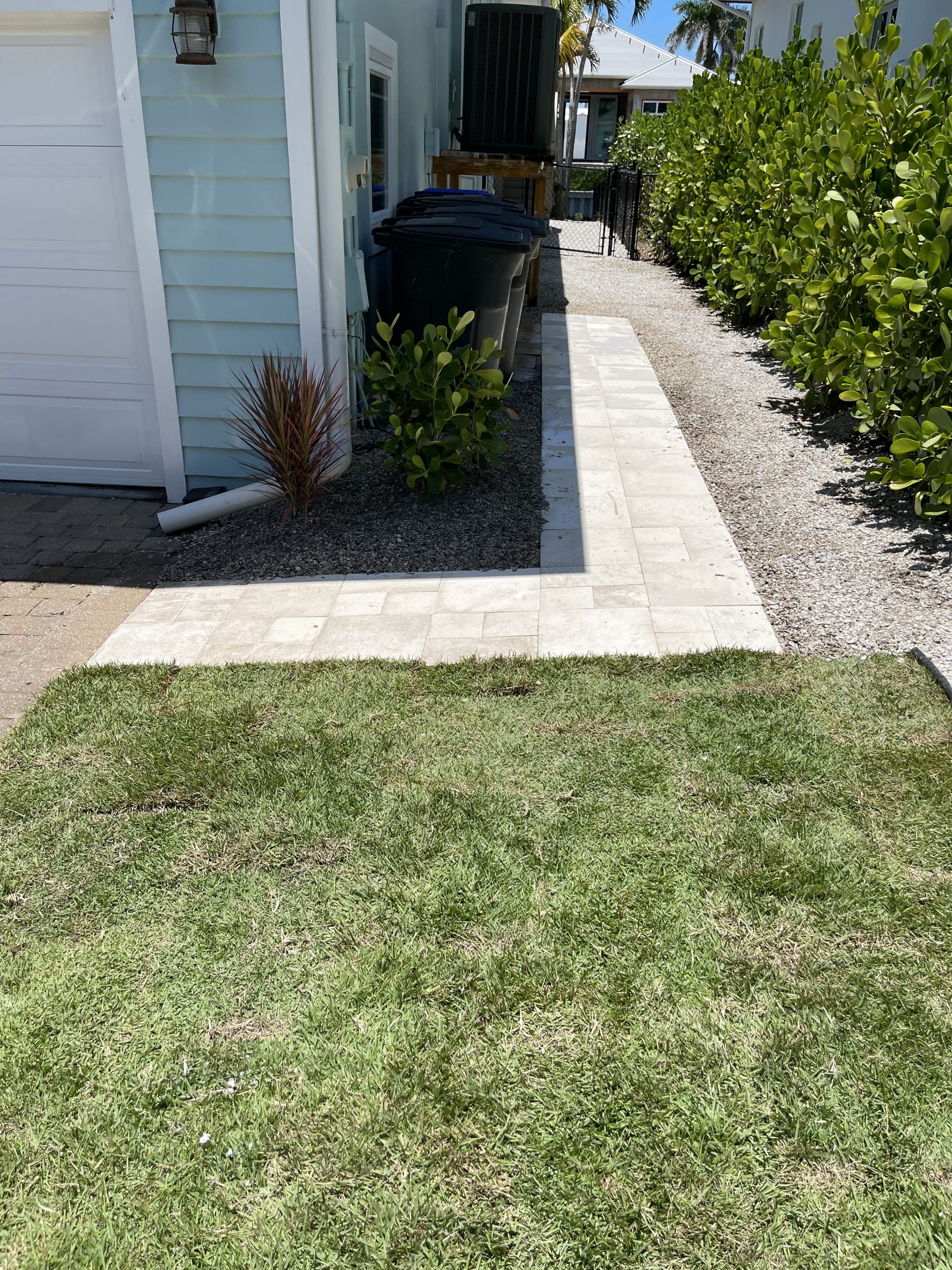
Homeowners install sod for a range of reasons:
-
Replacing a failing lawn
-
Installing a new lawn at a new construction home
-
Fixing bare spots after construction or damage
-
Upgrading to a more drought-tolerant variety
-
Completing a landscape renovation
We work carefully around landscaping, irrigation systems, and hardscaping so the rest of the property stays intact during installation.
Commercial Sod Installation
For commercial properties, sod installation affects curb appeal, maintenance costs, and long-term appearance. Hotels, HOAs, apartment complexes, and retail centers all benefit from properly installed lawns.
How we help commercial clients:
-
Full lawn installations — New construction or complete replacements
-
Selective replacements — Replacing damaged or dead turf in specific areas
-
Athletic or high-traffic turf — Choosing varieties that handle heavy use
-
Phased installations — Spreading work across multiple areas to minimize disruption
-
Coordination with property managers — Scheduling to fit around business operations
We coordinate with property managers to minimize disruption.
Serving Fort Myers, Naples & Surrounding Communities
Arrow Landscaping & Designs provides sod installation throughout Southwest Florida.
Related services include landscape design, landscaping, landscape installation, landscape renovation, hardscaping, and drainage solutions.
Frequently Asked Questions About Sod Installation
How long does new sod take to establish?
Root establishment typically takes three to four weeks. Full establishment takes longer — sometimes several months — depending on variety, weather, and irrigation.
Can I install sod myself?
Small areas are manageable for a homeowner. Larger installations usually benefit from professional soil preparation, proper grading, and careful placement that reduces seams and gaps.
What time of year is best for sod installation in Southwest Florida?
Installation can happen year-round here. The wet season offers natural moisture but can also bring storms. The dry season requires more irrigation management.
How often should I water new sod?
For the first week, daily watering is often necessary, sometimes twice a day in summer. Frequency tapers over the following weeks as roots establish.
What's the best sod variety for my property?
It depends on sun exposure, shade, traffic, and maintenance goals. We can advise based on your specific site conditions.
Do you offer a warranty on installed sod?
Contact us to discuss warranty options. Warranties vary based on site conditions and post-installation care.